
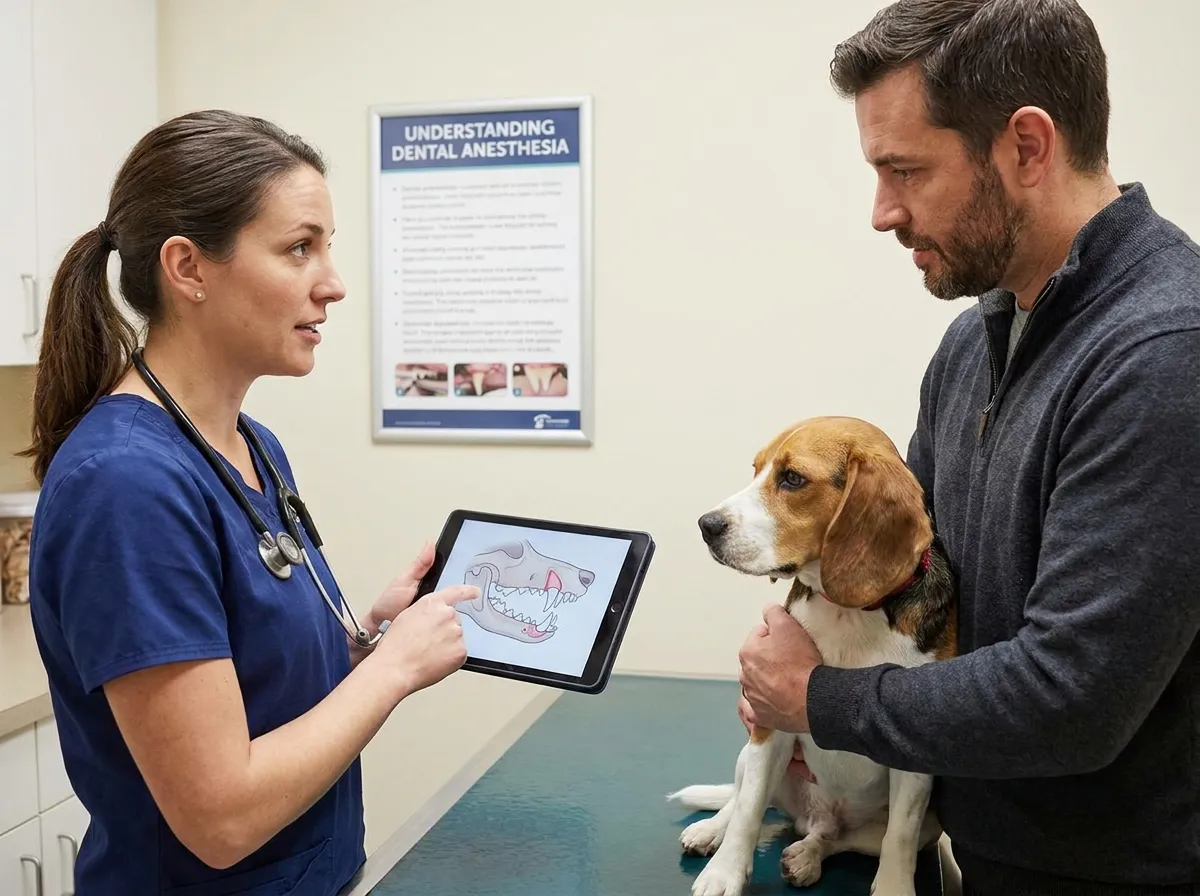
Ask any veterinarian why their dental compliance rates aren't higher, and they'll give you a one-word answer: anesthesia. For pet owners, the idea of putting their beloved dog or cat under general anesthesia for a routine cleaning is terrifying. They read horror stories online, worry about age-related risks, and dread the thought of losing their pet.
1. Demystify the Anesthesia Process
Fear stems from the unknown. Break down exactly what happens during anesthesia in plain, empathetic language. Explain the pre-anesthetic bloodwork, the dedicated monitoring technician, and the specialized equipment used to track vitals.
Pet owners often imagine their pet left alone on a cold table. Walk them through the timeline: from the calming pre-medication injection, to the insertion of the IV catheter, to the placement of the breathing tube that protects their airway. When owners understand that every step is structured to minimize risk, their anxiety decreases.
2. Highlight Anesthesia Monitoring Teams
Many owners think the veterinarian is performing the cleaning and monitoring the pet simultaneously. Reassure them by highlighting that a dedicated, certified veterinary technician is assigned to monitor anesthesia from start to finish. This person does not perform the cleaning; their sole job is to watch the pet.
In your marketing materials (and on your website), introduce your veterinary technicians. Explain their qualifications, their training in anesthesia monitoring, and their dedication to keeping pets safe. Putting a face to the name builds massive trust.
- Acknowledge Fear: Start by validating their concern. “It is completely normal to worry about anesthesia. We feel the same responsibility, which is why we take safety so seriously...”
- Explain Pre-Screening: Detail how bloodwork, physical exams, and heart checks ensure the pet is a safe candidate for the procedure.
- Use Safety Analogies: Compare veterinary anesthesia standards (multi-parameter monitors, warming devices, airway control) to human outpatient surgery standards.
- Post-Procedure Communication: Call or text the owner the moment the pet wakes up. A simple “Max is awake, doing great, and resting comfortably” text goes a long way.
3. Use Video Walkthroughs to Educate
Create a brief, welcoming video showing the prep room, the monitoring screens, and the warm blankets. Let owners see the environment and meet the team responsible for keeping their pets safe. This can be embedded directly on your dental services landing page.
Keep the video warm and professional. Avoid graphic surgical shots; focus instead on the care and monitoring: a technician holding the pet, checking the monitors, and wrapping them in a warm Bair Hugger blanket. Visual proof is more powerful than any written paragraph.
4. Address Anesthesia Safety in FAQs
Dedicate a section of your dental landing page to addressing safety questions directly. Keep answers concise, direct, and reassuring. Address topics like senior pet safety, breed-specific sensitivities (like brachycephalic dogs or sighthounds), and what happens if a complication arises.
By addressing these concerns proactively, you prevent owners from searching Google and finding scary, inaccurate information elsewhere. You control the narrative of safety and clinical excellence.
5. Emphasize the Pain of Doing Nothing
While anesthesia has minimal, managed risks, untreated dental disease has a 100% guarantee of causing pain and decline. Frame the decision as a risk comparison: the micro-risk of controlled anesthesia versus the certainty of chronic oral pain, bone loss, and systemic health damage.
Help owners realize that avoiding anesthesia is actually choosing to let their pet live with a chronic toothache. Empathy-led framing helps them make the right choice for their pet's quality of life.
6. Post-Op Communication & Follow-Up
The anxiety doesn't end when the owner leaves the pet at the clinic. Your workflow should include immediate updates. A designated team member should call or text the owner as soon as the pet is extubated and stable. Providing reassurance during the recovery phase turns a stressful event into a highly positive customer experience.
VetGuider specializes in creating veterinary websites that explain complex clinical procedures in an approachable, high-converting way. Let us help you tell your safety story.
Book a Demo