
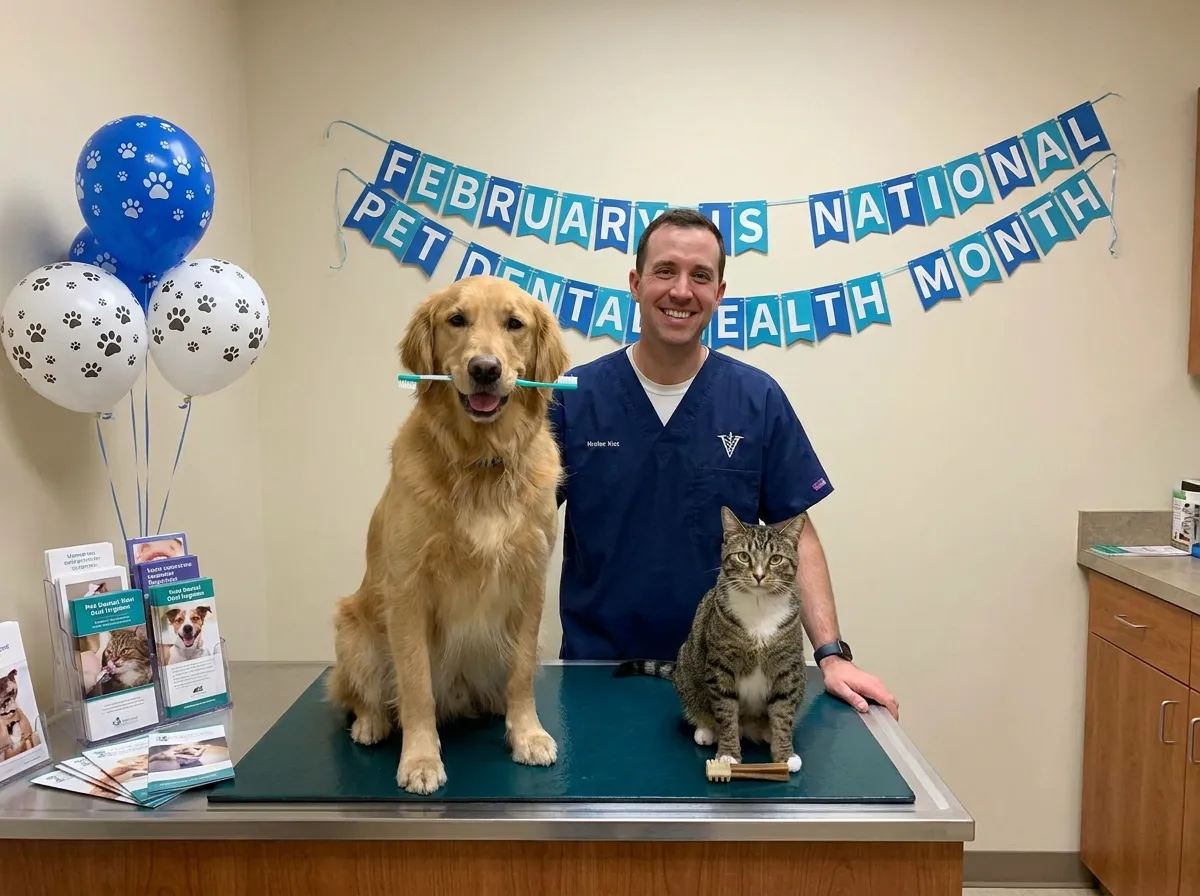
Every February, National Pet Dental Health Month gives veterinary practices a prime opportunity to educate pet owners and boost compliance. However, simply putting up a sign or sending a generic email blast isn't enough to fill your dental schedule. If your practice operates like most, February becomes a chaotic bottleneck of procedures, followed by a quiet March.
1. Start Your Campaign in December and January
Don't wait until February 1st to start promoting. Start booking dental assessments in December and January, positioning them as pre-dental checks so you can map out February's schedule early. A successful campaign relies on pre-bookings. By the time February arrives, your schedule should already be 80% full.
Use your digital newsletters and social channels to educate clients on why early checkups are necessary. Explain that grading a pet's dental disease beforehand ensures your team can block the appropriate time for the procedure (especially if extractions are anticipated) and perform necessary pre-anesthetic bloodwork.
2. Offer “Early Bird” Booking Incentives
Instead of a month-long discount that squeezes your margins and creates a rush of low-value bookings, offer a special bonus (like a complimentary dental home-care kit or a small discount) for clients who book their February dental before January 15th. This shifts client behavior and rewards proactive owners.
This approach also helps your clinic forecast inventory needs. You'll know exactly how many endotracheal tubes, scale tips, and home-care kits to order, preventing last-minute shipping expenses or supply shortages.
- Pre-Dental Screenings: Offer quick, 10-minute technician checks to grade tartar and make recommendations, which can be credited toward the cleaning if booked within 30 days.
- Tiered Incentive Packages: Bundle the cleaning with pre-anesthetic bloodwork, pain medications, or take-home toothbrushes to increase the perceived value without slashing clinical service fees.
- Themed Social Media Posts: Share weekly “Myth vs. Fact” posts addressing common client concerns regarding anesthesia safety, recovery times, and cost.
- Post-Cleaning Goodie Bags: Send every pet home with a dental health goody bag containing specialized kibble samples, dental chews, a toothbrush, and oral rinse.
3. Create an Educational Video Series
Show, don't just tell. Film a short 60-second video walkthrough showing your veterinary team performing a safe dental cleaning under anesthesia. Showing the care, monitoring, and professional tools reduces pet owner anxiety. You can capture this during a routine procedure (with client permission) to demystify what happens “behind the scenes.”
Focus on the monitoring technology: show the pulse oximeter, the warming blankets, and the veterinary technician dedicated solely to tracking the pet's vitals. When owners see the clinical complexity and high standard of care, they understand why the service is valued at its price point.
4. Use Targeted Email Segmentation
Don't send the same email to everyone. Segment your list to target owners whose pets were graded with Level 1 or Level 2 dental disease during their last wellness exam but never booked a cleaning. Send a personalized reminder note explaining that addressing mild plaque now prevents painful extractions later.
For pets that have never had a dental exam, send an educational email focusing on the signs of dental pain (such as dropping food, bad breath, or chewing on one side of the mouth). Make the call to action a simple, low-commitment “dental assessment exam” rather than a full cleaning.
5. Focus on the “Silent Pain” of Pets
Pets rarely complain about toothaches. They continue to eat because of their survival instinct, leading many owners to believe their pets are fine. Focus your educational campaigns on “silent pain.” Explain that periodontal disease is a hidden infection that can damage the kidneys, liver, and heart muscle.
Use clear before-and-after imagery to showcase the transformation. Explain that a dog or cat whose mouth is clean is not only happier but has a stronger immune system and a longer life expectancy.
6. Partner with Local Pet Businesses
Collaborate with local groomers, pet boutiques, and dog trainers in your area. Provide them with informational brochures about Pet Dental Health Month and offer a co-branded discount or incentive. For example, a groomer can offer a flyer detailing the signs of bad breath, directing their clients to your clinic for a checkup.
7. Gamify Dental Health for Clients
Run a social media contest where clients upload photos of their pets' “pearly whites” or a video of them brushing their pet's teeth. Give away a free dental cleaning package or a high-value dental care bundle. This increases engagement, boosts social shares, and naturally highlights dental health to your local community.
8. Extend the Offers Into March
One of the biggest mistakes veterinary practices make is limiting their offers strictly to February. This creates a bottleneck that exhausts your clinical team. Instead, promote the campaign as “Book in February, perform in February or March.” This keeps your scheduling manageable and extends your dental revenue stream.
9. Structure Staff Incentives
Your team needs to be excited about the campaign. Offer small, fun incentives for staff members who book the most dental consultations or identify the most patients needing care. This builds a culture of proactive health recommendations.
10. Focus on Post-Op home Care Education
A dental cleaning is only the beginning. Use the momentum of Pet Dental Month to sell home-care solutions like water additives, enzymatic toothpastes, and dental diets. Educating owners on maintenance builds a long-term relationship and keeps them returning for annual checkups.
VetGuider builds high-converting veterinary websites and local SEO strategies that consistently drive pet owners to your booking page. Let us help you design your next campaign.
Grow Your Practice