
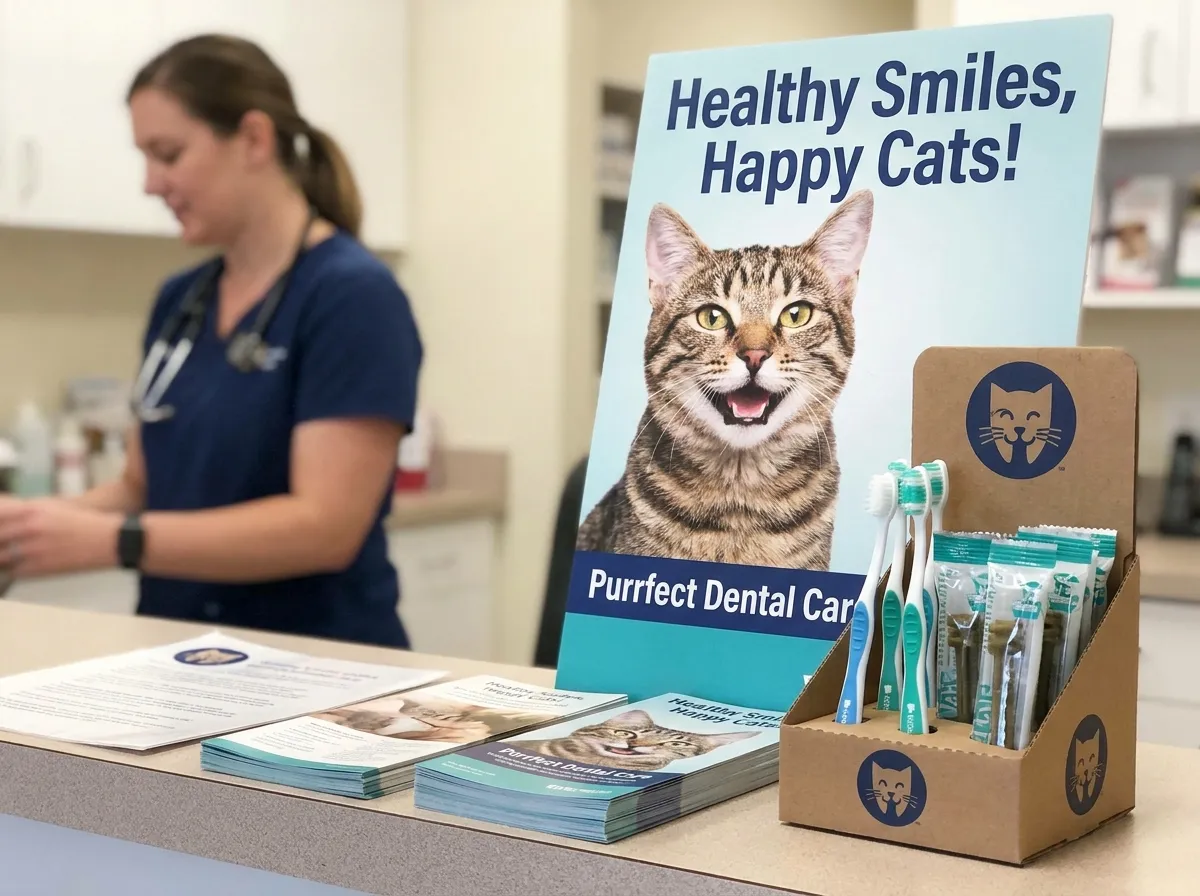
It's a well-known industry fact: cat owners visit the clinic far less often than dog owners. Consequently, feline dental care is one of the most overlooked areas of veterinary practice growth. Many cat owners assume that since their cat eats dry food and remains quiet, their teeth are perfectly healthy.
1. Target Feline-Specific Search Terms
Cat owners search differently than dog owners. They are highly attuned to subtle behavioral shifts. Target keywords like “cat drooling,” “cat refusing dry food,” “smelly cat breath,” or “feline resorption lesions.” Optimization for these terms captures searchers looking for answers to specific feline issues.
Write articles explaining symptoms like “chattering teeth” or “pawing at the mouth.” Explain that these are common signs of severe nerve pain. By positioning your clinic as an expert in feline dentistry, you build immediate confidence with concerned cat owners.
2. Highlight Cat-Friendly Clinic Features
Many cat owners avoid appointments because of stress (for both the cat and the owner). Highlight your Cat-Friendly Practice (CFP) certifications, separate waiting areas, pheromone diffusers, and specialized handling techniques to ease their minds. If your clinic is a calm space for cats, make that a prominent part of your marketing.
Describe your feline monitoring standards. Explain that cats have unique anesthetic requirements compared to dogs and highlight your team's training in feline medicine. Overcoming the “stress barrier” is key to getting cat owners through your doors.
- Spotlight Resorptive Lesions: Educate owners on Feline Tooth Resorption—a highly painful condition where the body dissolves the tooth from the root up, which cats hide extremely well.
- Subtle Behavior Checklists: Publish checklists detailing indicators of mouth pain in cats (e.g., dropping food, hiding, face rubbing, reduced grooming).
- Cat-Only Dental Days: Host specific blocks of appointments dedicated entirely to cats to ensure a quiet, dog-free environment, minimizing stress.
- Feline Dental Video Guides: Create short videos showing how to safely check a cat's gums at home without causing stress.
3. Use Feline-Specific Imagery
Ensure your dental landing pages and social media ads feature high-quality photos of cats. Cat owners respond best to content that feels designed specifically for feline needs rather than general pet imagery. If your ads show only dogs, cat owners will naturally keep scrolling.
Show cats resting comfortably in your recovery suites. Showcase clean, peaceful clinic environments. Tailoring your visual branding to feline pet parents shows that your clinic values and understands their specific needs.
4. Educate on Silent Pain
Cats are masters at hiding pain due to their evolutionary background as both predators and prey. Address this directly in your newsletter and social media campaigns by explaining that a cat who is eating may still be suffering from severe, chronic dental pain. They adapt by swallowing food whole or chewing on one side.
Explain that waiting for a cat to stop eating before booking a dental check is waiting too long. Frame dental care as a way to return their cat to a state of comfort, improved energy, and playfulness.
5. Feline-Focused Email Newsletters
Send email campaigns targeting cat owners specifically. Segment your client lists so that dog-focused emails go to dog owners, and cat-focused campaigns go to cat owners. Share articles written from the perspective of feline health, which increases open rates and client engagement.
6. Partner with Feline Rescues
Partner with local cat rescues or shelters. Offer educational talks or sponsor events. Providing value to the local feline community builds your reputation as the go-to clinic for cat care in your area.
VetGuider builds targeted landing pages and search engine campaigns optimized to attract cat owners and boost feline bookings.
Grow Feline Bookings